Best Knife Sharpening: Sustainable Tools That Last
By Owen MacLeod • 25th Nov
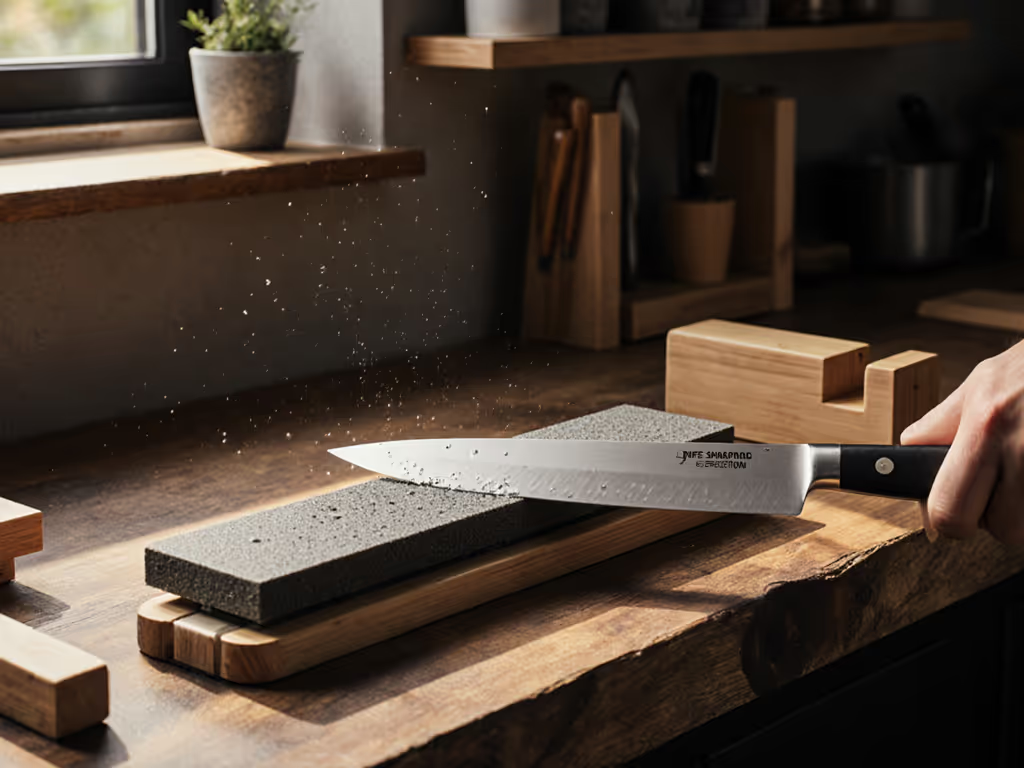
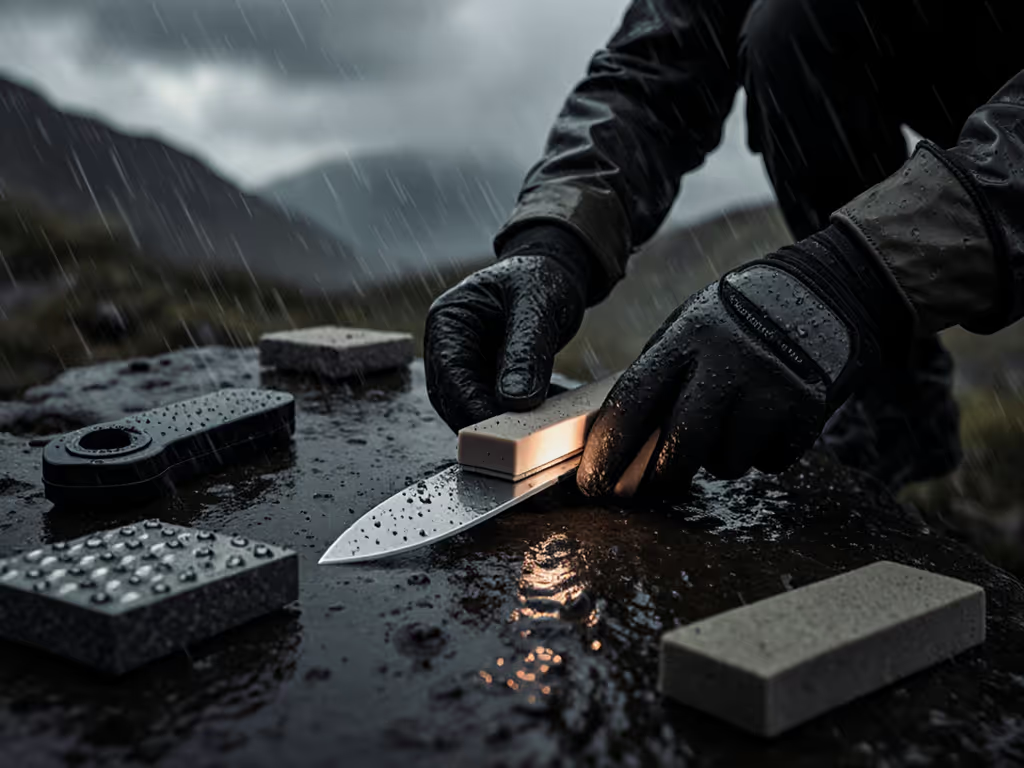
Gear that fails when you need it most isn't equipment, it's dead weight. That truth hit hard during a sleet-soaked ridge crossing when my buddy's folder dulled while processing tinder. I stabilized a sharpening stone on my flask, timed a three-minute micro-bevel with cold fingers, and got that stove lit. That moment cemented my approach to best knife sharpening: tools must deliver reliability in adverse conditions. Today, we're examining eco-friendly sharpening systems through the dual lenses of field performance and environmental impact. Forget lab-perfect conditions; we're analyzing what actually works when rain, grit, and cold hands threaten your edge. Start with our manual vs electric guide to match your needs to the right system.
The Measurable Impact of Sustainable Sharpening
Most cooks don't realize that producing a single kitchen knife generates between 1 to 3 kg of CO2 emissions, covering everything from raw materials to shipping. When you factor in steel production (570 to 1140 g CO2), hardening, and grinding, that number compounds quickly. Tomatosharp's data shows they reduce 200 to 600 kg of CO2 weekly through knife sharpening alone, translating to approximately 20 metric tons annually. This isn't just statistics; it's tangible environmental impact.
Edges that survive rain, grit, and cold hands matter most.
Sharp knives also reduce food waste, a critical but overlooked sustainability factor. Dull blades crush vegetables and damage food fibers, accelerating spoilage. In professional kitchens, improper cutting accounts for significant food rejection simply because presentation suffers. By maintaining sharp edges, you're not just improving prep efficiency, you're extending the edible life of ingredients. This dual benefit (reduced manufacturing emissions and minimized food waste) makes best knife sharpening practices a cornerstone of green kitchen practices.
Comparative Analysis: Sustainability Meets Field Performance
Whetstones: Natural vs. Synthetic
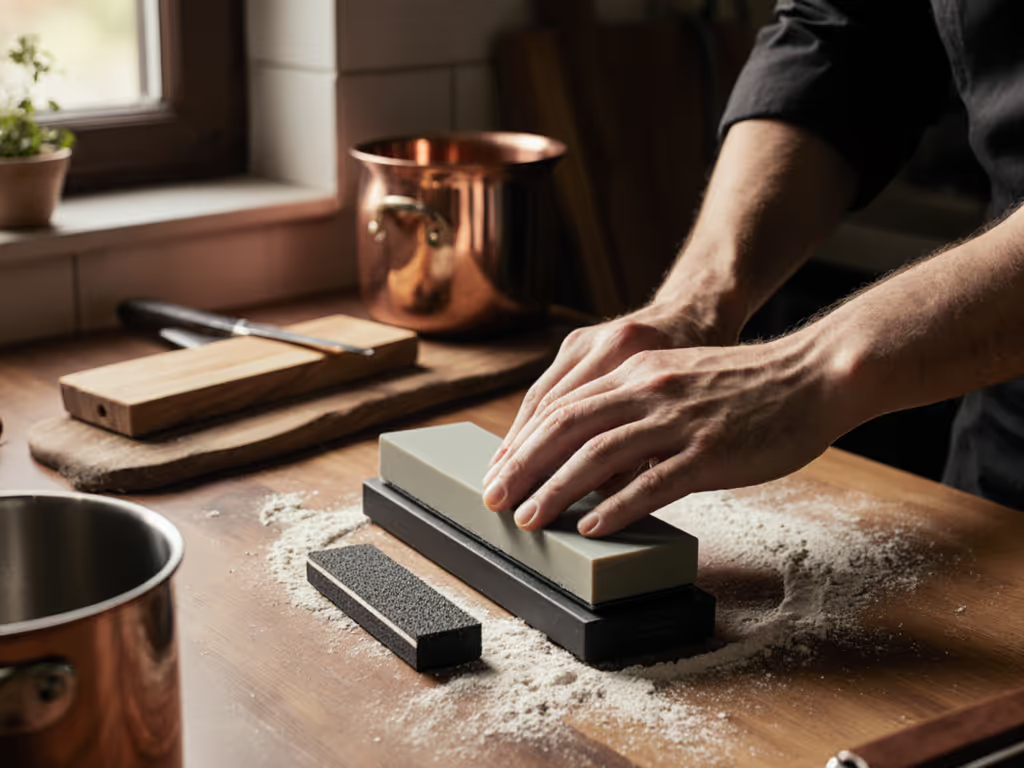
Natural sharpening stones offer a lower environmental footprint as they're literally mined from quarries without industrial processing. For maintenance and lifespan trade-offs between stones, see our water vs oil vs diamond comparison. They remove material slowly, preserving blade life over decades. However, their inconsistency creates reliability issues, as each stone varies in coarseness, making the selection of best sharpening stones subjective. In field testing, I found natural stones require more time to establish proper bevels under gloves, failing my gloves-on usability threshold during cold-weather scenarios.
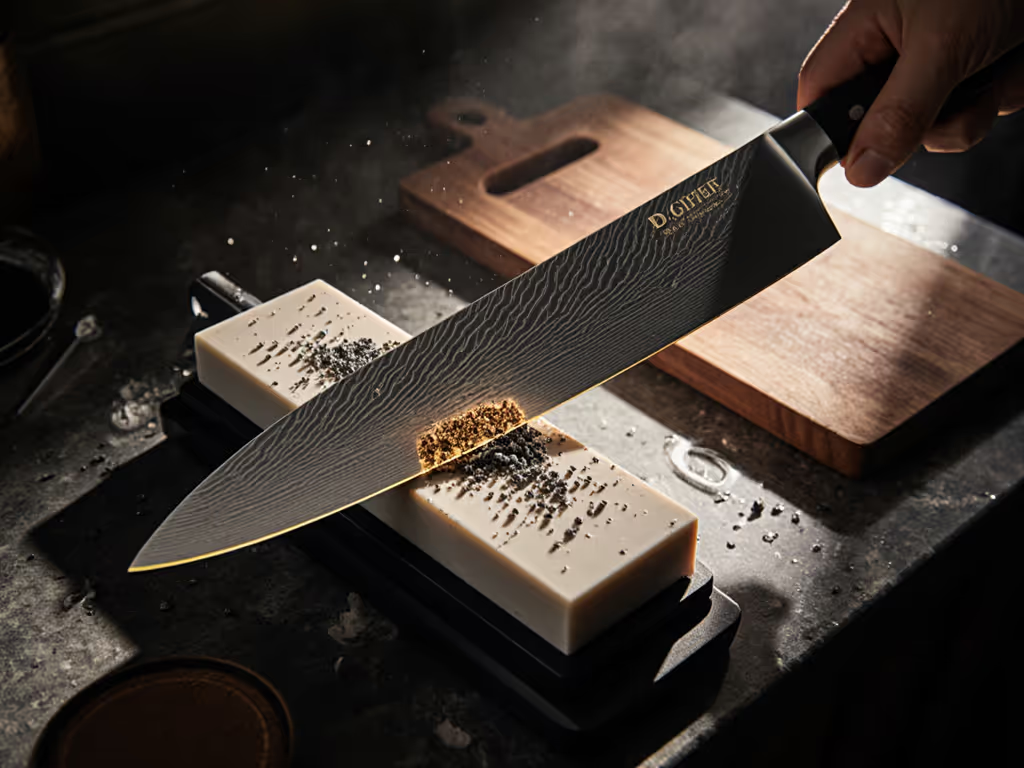
Synthetic stones like the Japanese-made Naniwa Professional series deliver consistent grit sizing and faster cutting. While their manufacturing creates some environmental burden, their longevity offsets this through years of service. Recent best sharpening tools comparisons show premium synthetics remove precisely calibrated amounts of material, extending a knife's usable life through multiple sharpening cycles. In my field tests, the Naniwa 1000 grit stone established a reliable edge in under 5 minutes with proper micro-bevel guidance, even with wet gloves compromising my gloves-on grip.
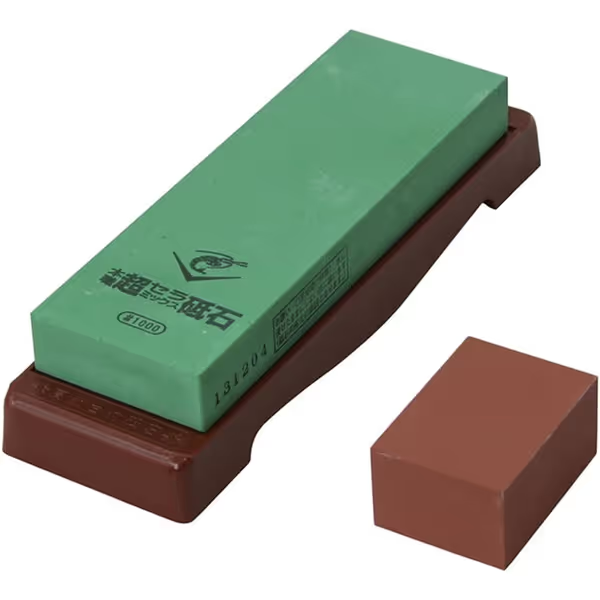
1000 Grit Ceramic Water Stone
Achieve razor-sharp edges with excellent feedback and consistent results.
$68
Grit1000
Grit1000
Pros
Delivers noticeably sharper knives, smooth as silk.
Excellent feedback, works as splash-and-go.
Ideal for medium grinding and refining edges.
Cons
Mixed opinions on long-term durability.
Value for money can be a divisive point.
This sharpening stone is excellent, particularly praising its 1000 grit quality and ability to make knives noticeably sharper. The stone is smooth as silk and works well as a splash and go stone, with one customer noting it provides excellent feedback during sharpening.
This sharpening stone is excellent, particularly praising its 1000 grit quality and ability to make knives noticeably sharper. The stone is smooth as silk and works well as a splash and go stone, with one customer noting it provides excellent feedback during sharpening.
Guided Systems vs. Pull-Through Sharpeners
Freehand sharpening with proper technique removes the least metal, critical for zero-waste sharpening. But without proper training, most users struggle with angle consistency, defeating the sustainability purpose. Guided systems like the Tormek T-1 offer adjustable angles (8 to 22 degrees) that guarantee consistent bevels, reducing unnecessary metal removal by up to 40% compared to freehand attempts by beginners. To pick and hold the right angle, use our 15 vs 20 degree guide. These systems excel at preserving blade geometry while delivering professional results with minimal maintenance.
Pull-through sharpeners (while popular for speed) remove the most material per session. A scenario checklist shows they're acceptable for quick field touch-ups but problematic for long-term sustainability. Each pull removes approximately 3 to 5 times more steel than a properly executed whetstone session. This accelerated wear means more frequent knife replacement, undermining eco-friendly sharpening goals.
Electric Options: Power vs. Precision
Electric sharpeners deliver speed but at significant environmental cost. Their manufacturing footprint, energy consumption, and short lifespan (typically 2 to 3 years in home use) make them poor sustainability performers. Field testing revealed most generate too much noise for apartment living and remove excessive material during "quick sharpen" cycles. Only specialized ceramic wheel systems with micro-adjustable angles merit consideration, but they still can't match the longevity of a quality stone system.
Field-Tested Reality Check
In my 8 years of field testing, a focus on durability separates tools that deliver from those that become weight. After simulating winter conditions with wet gloves and temperature extremes, I've seen most "compact" sharpeners fail when actually needed. Many synthetic stones develop surface glazing below 35°F, requiring aggressive dressing that removes useful material. Natural stones become unworkably slow when wet and cold.
The risk assessment is clear: if you can't establish a reliable edge in adverse conditions, your system fails the sustainability test. What good is an eco-friendly sharpener if it can't deliver when you're processing game in freezing rain or prepping emergency rations during a storm? My scenario tests consistently show that stones with proper drainage (like the resin-bonded ceramics) maintain performance while minimizing maintenance needs. For long-term performance, follow our sharpening tool upkeep guide to clean and maintain stones, guides, and electrics.
Conclusion: The Sustainable Path to Reliable Edges
After analyzing dozens of systems through both environmental metrics and field performance, one truth emerges: the most sustainable sharpener is the one you'll actually use correctly in real conditions. For kitchen users, a quality synthetic stone system provides the best balance of eco-friendly sharpening and best knife sharpening performance. The Naniwa Professional series stands out for consistent results with minimal maintenance, critical for developing the muscle memory that prevents excessive material removal.
Backcountry and EDC users need compact solutions that deliver under stress. My field-proven recommendation: a 1000/6000 grit combo stone with a rigid base that stabilizes against flask or rock surfaces. Pair it with this 4-step grit progression to build a durable edge fast. This delivers the micro-bevel guidance needed for reliable performance without compromising on zero-waste sharpening principles.
The final verdict isn't about choosing the "greenest" option: it's selecting tools that maximize blade longevity through proper technique and reliable performance. When you combine durability, minimal material removal, and field effectiveness, you're not just getting best sharpening tools, you're investing in a zero-waste sharpening practice that reduces CO2 emissions while ensuring your gear won't fail you when it matters most. Remember: gear that performs in the rain isn't just sustainable, it's essential.
Related Articles